
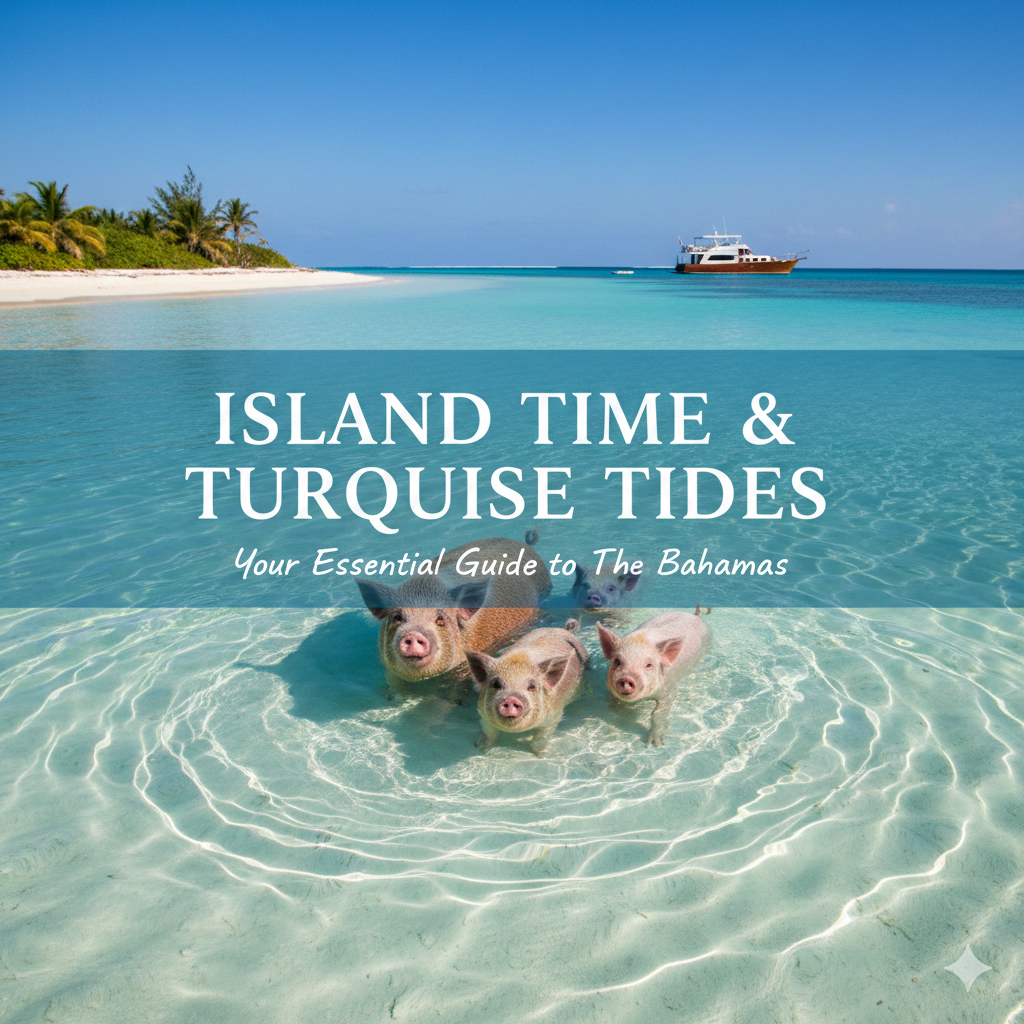
With over 700 islands scattered like emeralds across the Atlantic, The Bahamas is more than just a quick cruise stop—it’s a masterclass in relaxation. Whether you’re chasing the high-energy pulse of Nassau or the “off-the-grid” serenity of the Out Islands, navigating this archipelago requires a bit of local know-how.
Here is everything you need to know to transition from “tourist” to “island pro” in 2026.
1. Timing Your Escape
The Bahamas is a year-round destination, but your experience will vary wildly depending on the calendar:
- Peak Season (December – April): This is the “postcard” weather. It’s dry, breezy, and temperatures hover around a perfect 24°C. However, expect peak prices and crowded beaches.
- The Sweet Spot (May – June): The “shoulder season” offers a beautiful compromise. Prices drop, the water gets warmer, and the summer humidity hasn’t quite hit its peak.
- Hurricane Season (June – November): You’ll find the best deals now, but it’s a gamble. If you travel during this window, always purchase travel insurance that covers weather-related cancellations.
2. Beyond Nassau: Choosing Your Island
While Nassau is the gateway, the true soul of The Bahamas lies in the “Out Islands.”
- The Exumas: Famous for the swimming pigs at Big Major Cay and sapphire waters so clear they look photoshopped.
- Harbour Island: Home to the iconic Pink Sands Beach and a “no cars” culture where golf carts are the primary mode of transport.
- Eleuthera: Perfect for those who want rugged cliffs, hidden caves, and absolute solitude.
- Andros: A diver’s paradise, featuring the world’s third-largest barrier reef and mysterious “blue holes.”
3. Savvy Spending & Budgeting
The Bahamas isn’t exactly a budget destination (most goods are imported), but you can keep costs down with these tips:
- The “Jitney” Advantage: In Nassau, skip the expensive taxis. The local buses, or “jitneys,” cost roughly $1.50 and can take you almost anywhere on the island.
- Eat Like a Local: Head to a “Fish Fry” (like Arawak Cay). You’ll get fresh snapper, peas ‘n rice, and conch salad for a fraction of the price of a resort meal.
- Currency: The Bahamian Dollar is pegged 1-to-1 with the USD. Both are accepted interchangeably everywhere, so there’s no need to exchange your cash if you’re coming from the States.
4. Respect the “Island Time”
In The Bahamas, “Island Time” isn’t a myth—it’s the law of the land. Service in restaurants and shops may be slower than what you’re used to. Instead of getting frustrated, lean into it. Start your interactions with a friendly “Good morning” or “Good afternoon”—it’s considered a vital courtesy here.
5. Essential Packing List
- Reef-Safe Sunscreen: Protect the coral reefs while you protect your skin.
- A Light Layer: Tropical AC is notoriously cold. You’ll want a light sweater for dinners or ferry rides.
- Cash: While resorts take cards, smaller vendors in the Out Islands and local markets are often cash-only.
The Bahamas has a way of slowing your heartbeat and clearing your head. If you respect the ocean, embrace the slow pace, and venture beyond the resort walls, you’ll find that the “Seven shades of blue” are just the beginning.